




Key takeaways
- Start with flavour. Green tea can taste grassy, vegetal, nutty, floral or gently sweet, depending on the tea and how it is processed.
- Look beyond the packaging. Check the ingredient list, product details, freshness information and storage recommendations.
- Choose a format that suits you. Loose-leaf tea offers flexibility in how you measure and brew, while tea bags are convenient for everyday use.
- Consider caffeine. Green tea naturally contains caffeine, although the amount varies with the leaves and brewing method.
- Brew it properly. Water that is too hot or steeping for too long can make some green teas taste bitter.
What is the best green tea?
The best green tea is one that matches your flavour preferences, quality expectations, budget and brewing habits. There is no single variety that suits everyone. Some people prefer a fresh, grassy cup, while others enjoy a smooth, nutty flavour or a more delicate, floral profile.
Green tea is made from the leaves of Camellia sinensis, the same plant used to make black, white and oolong tea. The differences come largely from how the leaves are processed, including how oxidation is controlled after harvesting.
If you are buying green tea for the first time, begin with three questions: What flavours do you enjoy? How much time do you want to spend brewing? And do you prefer loose-leaf tea or the convenience of tea bags?
Think of choosing green tea like choosing olive oil or chocolate. A higher price or attractive package may catch your attention, but the best choice ultimately depends on the product’s quality and whether you enjoy its flavour.
1. Understand the different types of green tea
Before deciding which green tea to buy, it helps to understand that green tea is not one uniform product. Growing conditions, processing methods, leaf selection and brewing instructions can all influence the final cup.
Here are a few common styles to know.
Sencha: Fresh and vegetal
Sencha is a popular Japanese green tea style. Depending on the specific tea, it can have fresh, grassy, vegetal or gently sweet notes.
It may appeal to you if you enjoy a bright, clean-tasting cup. Sencha can also be a useful starting point for exploring Japanese green teas, although individual products vary considerably.
Matcha: Rich and concentrated
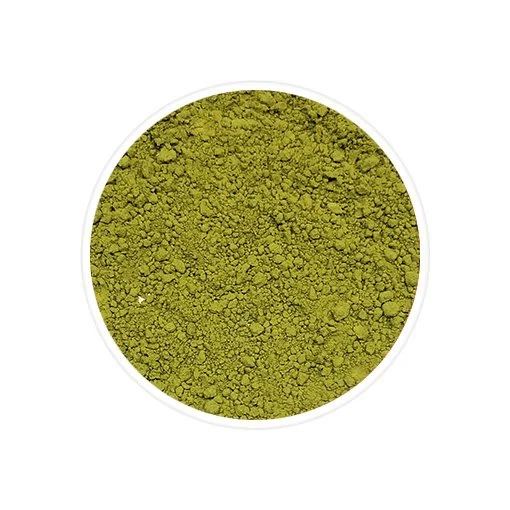
Matcha is a finely ground green tea powder traditionally whisked with water. Unlike steeped loose-leaf tea, you consume the powdered leaves as part of the drink.
Its flavour can be vegetal, creamy, savoury or slightly bitter. If you enjoy a more concentrated tea experience and do not mind the extra preparation, matcha may be worth exploring.
Dragon Well (Longjing): Smooth and nutty
Longjing, also known as Dragon Well, is a well-known Chinese green tea style. It is often associated with a smooth profile and toasted, nutty or chestnut-like notes, though flavour varies by grade and producer.
It can be an appealing option if you find strongly grassy teas less enjoyable.
Gunpowder green tea: Bold and brisk
Gunpowder green tea is named for the tightly rolled shape of its leaves. Its flavour can be robust, vegetal and slightly smoky, depending on the product.
This style may suit drinkers who prefer a more assertive cup rather than a delicate, subtle infusion.
A quick comparison
| Green tea style | Common flavour profile | May suit you if… |
|---|---|---|
| Sencha | Fresh, grassy, vegetal | You enjoy a bright, clean flavour |
| Matcha | Rich, vegetal, sometimes creamy | You prefer a concentrated tea |
| Longjing | Smooth, nutty, toasted | You like rounded, mellow flavours |
| Gunpowder | Bold, vegetal, sometimes smoky | You prefer a stronger-tasting cup |
These are general descriptions, not guarantees. Two teas in the same category can taste quite different, so look for specific tasting notes when comparing products.
2. Check leaf quality, freshness and ingredients
The quality of green tea depends on more than its appearance. Leaf condition, handling, storage and the time between production and use can all influence the flavour in your cup.
Look at the leaves
For loose-leaf tea, look for a product with clear information about its appearance and style. Whole or relatively intact leaves may offer a different brewing experience from finely broken leaves, but leaf size alone does not determine quality.
Some legitimate green tea styles use tightly rolled, shaped or finely processed leaves. Rather than relying on one visual rule, consider the tea’s style and the producer’s description.
Read the ingredient list
If you want pure green tea, check that the ingredient list identifies green tea without unexpected additions. Flavoured blends may include ingredients such as jasmine, citrus peel, mint or other botanicals.
Neither pure nor flavoured green tea is automatically better. The right choice depends on whether you prefer the tea’s natural profile or enjoy added aromas and flavours.
Look for useful product information
A well-described product should help you understand what you are buying. When comparing green teas, look for:
- Tea type: Is it sencha, Longjing, gunpowder or another style?
- Ingredients: Is it pure green tea or a flavoured blend?
- Origin: Is the growing region or country identified?
- Harvest or freshness details: Are any dates or batch details provided?
- Brewing guidance: Does the seller provide useful water-temperature and steeping instructions?
- Storage advice: Is there guidance on keeping the tea fresh?
Origin and harvest information can help you compare products, but neither guarantees quality by itself. Treat clear, consistent product information as one part of your decision rather than proof that a tea will be perfect for your taste.
3. Choose the right green tea format
The best green tea is also one that fits comfortably into your daily routine. A tea that requires equipment you rarely use may end up sitting unopened, even if it sounds appealing.
Loose-leaf green tea
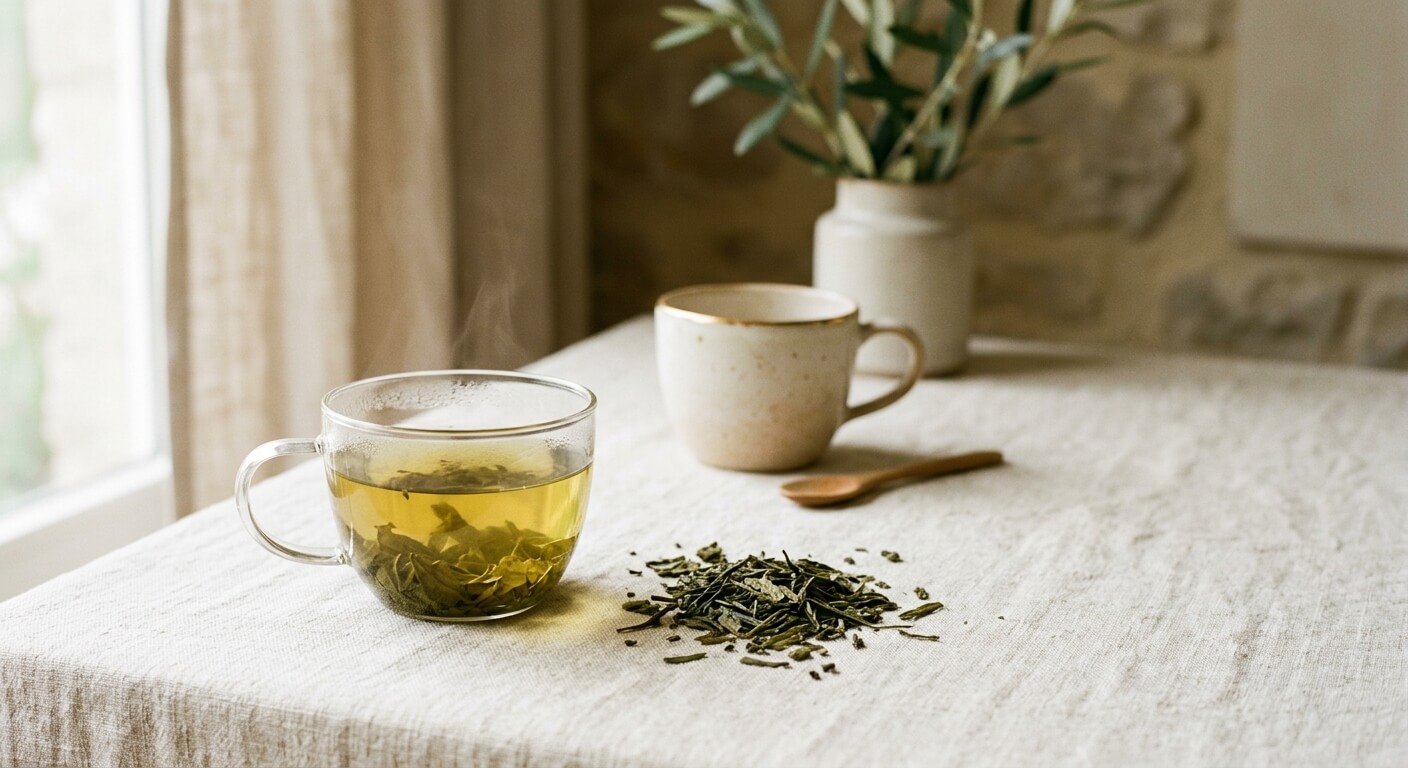
Loose-leaf tea allows you to adjust the amount of tea and experiment with brewing strength. It can also be enjoyable if you like seeing the leaves unfurl as they steep.
You will need a suitable infuser, strainer or teapot. If you enjoy preparing tea as a deliberate daily ritual, loose-leaf green tea can make the process feel more personal.
Green tea bags
Tea bags offer convenience and straightforward portioning. They are useful for work breaks, travel or mornings when you want a cup without setting up extra equipment.
The bag format alone does not tell you whether a tea is good or bad. Ingredient quality, freshness, processing and brewing still matter.
Matcha powder
Matcha requires a different preparation method. The powder is whisked into water rather than steeped and removed like loose leaves.
A whisk or suitable frother can help create a smoother drink. When buying matcha, look for clear ingredient information, intended use and storage guidance rather than assuming that every product marketed as matcha is intended for the same purpose.
Which format should you choose?
| Your priority | Format to consider |
|---|---|
| More control over strength | Loose-leaf green tea |
| Fast, simple preparation | Green tea bags |
| A whisked, concentrated drink | Matcha powder |
| Exploring different brewing styles | Loose-leaf green tea |
The simplest format is often the one you will enjoy using consistently. Convenience is part of quality when it helps you make a cup you genuinely look forward to.
4. Consider caffeine and your daily routine
Green tea naturally contains caffeine. The amount in your cup depends on several factors, including the tea itself, the quantity used, water temperature and steeping time.
If you enjoy green tea in the morning or early afternoon, its caffeine content may fit comfortably into your routine. If you are sensitive to caffeine or prefer to avoid it later in the day, pay attention to the timing and consider a naturally caffeine-free herbal infusion instead.
Do not assume that all green teas contain the same amount of caffeine. A product’s flavour, colour or price is not a reliable way to determine its caffeine content.
If caffeine information is important to your purchase, check the product packaging or ask the seller whether they have product-specific information. General estimates can help with orientation, but they cannot replace details about the tea you are buying.
Also consider how you plan to drink it. A small, delicately brewed cup may suit a different moment than a larger, stronger infusion. Your ideal tea should work with your preferences, not force you into a routine that does not suit you.
5. Brew your green tea properly
Even a carefully selected green tea can disappoint if it is brewed incorrectly. Green tea is often more delicate than people expect, and very hot water or a long steep can bring out excessive bitterness or astringency.
A little attention to the brewing process can make a noticeable difference.
A simple green tea brewing guide
Use the product’s instructions as your starting point. The following is a general guide for many loose-leaf green teas, not a universal rule.
| Brewing detail | General starting point |
|---|---|
| Tea quantity | About 1 teaspoon per 250 mL of water, adjusted for leaf size and taste |
| Water temperature | Approximately 70–80°C |
| Steeping time | About 1–3 minutes |
| Strength | Adjust the amount of tea and steeping time gradually |
Five steps for a better cup
Step 1: Measure your tea.
Start with the recommended amount and adjust gradually. Too much tea can make the flavour overpowering.
Step 2: Cool the water if needed.
Many green teas benefit from water below boiling. If you do not have a temperature-controlled kettle, allow freshly boiled water to cool before pouring.
Step 3: Steep for the recommended time.
Set a timer if you are experimenting. A small difference in steeping time can affect the balance of flavour.
Step 4: Taste before changing anything.
If your tea tastes too bitter, try cooler water or a shorter steep next time. If it tastes weak, make one adjustment at a time.
Step 5: Store the leaves carefully.
Keep green tea sealed in a cool, dry place away from direct light, heat, moisture and strong odours. Follow any specific storage guidance provided by the producer.
The goal is not to find one perfect set of numbers for every green tea. It is to learn how your chosen tea responds to different brewing conditions.
6. Avoid common green tea buying mistakes
A thoughtful purchase can save you from ending up with tea that does not suit your taste or routine.
Mistake 1: Choosing only by price.
A higher price does not guarantee that you will prefer the flavour. Compare the product details and choose a tea that fits your budget and expectations.
Mistake 2: Assuming darker or brighter leaves always mean better quality.
Colour varies with the tea style, processing and storage. Appearance should be considered alongside other product information.
Mistake 3: Ignoring the flavour description.
If you dislike strong grassy notes, a tea described as fresh and vegetal may not be your first choice. Look for words that match the flavours you already enjoy.
Mistake 4: Buying a large quantity before trying it.
If you are exploring a new style, a smaller pack can be a practical way to discover whether you enjoy it before committing to more.
Mistake 5: Overlooking storage and brewing instructions.
Green tea can lose freshness over time, especially when exposed to air, heat, moisture or light. Follow the packaging guidance and avoid buying more than you can reasonably use while it remains fresh.
Find the green tea that fits you
Choosing the best green tea starts with knowing what you enjoy. Compare flavour profiles, check the ingredients and product details, choose a format that suits your routine, and consider caffeine when deciding when to drink it.
You do not need to start with the rarest or most expensive tea. A clearly described green tea that tastes good to you and is easy to brew can be a better everyday choice than a product that looks impressive but does not fit your preferences.
At Santuals, we believe tea should make everyday moments feel more intentional. Explore our tea collection, discover a style that appeals to you, and take a little time to enjoy the process of brewing.
Explore our Green Tea Collection.
Frequently asked questions
1. How do I know if green tea is good quality?
Start by checking the ingredients, product description, tea style, freshness information and storage guidance. For loose-leaf tea, consider the leaf appearance in the context of its style rather than judging by size or colour alone. Clear product information helps you make a more informed choice, although personal taste remains important.
2. Is loose-leaf green tea better than tea bags?
Neither format is automatically better. Loose-leaf tea gives you flexibility with quantity and brewing, while tea bags are convenient for quick preparation. The quality of the ingredients, freshness and how the tea is processed matter more than the format alone. Choose the one that fits your preferences and routine.
3. Which green tea is best for beginners?
A green tea with a clearly described, approachable flavour is a useful starting point. If you enjoy fresh, grassy notes, try a sencha-style tea; if you prefer a smoother, nuttier profile, consider a Longjing-style tea. Start with a small quantity so you can explore without committing to a large pack.
4. Does green tea contain caffeine?
Yes. Green tea naturally contains caffeine, but the amount varies with the leaves, quantity used and brewing method. If you want product-specific information, check the packaging or ask the seller. If you prefer to avoid caffeine, consider a naturally caffeine-free herbal infusion instead.
5. Why does my green tea taste bitter?
Green tea can taste bitter when brewed with water that is too hot, steeped for too long or prepared with too much tea. Try using cooler water, shortening the steeping time or adjusting the amount. Follow the product’s instructions first, since different green teas may need different brewing conditions.
6. How should I store green tea to keep it fresh?
Store green tea in a tightly sealed container in a cool, dry place away from direct sunlight, heat, moisture and strong odours. Avoid leaving the package open near a kettle or stove. Follow the producer’s storage instructions and buy a quantity you can comfortably use while the tea remains fresh.