


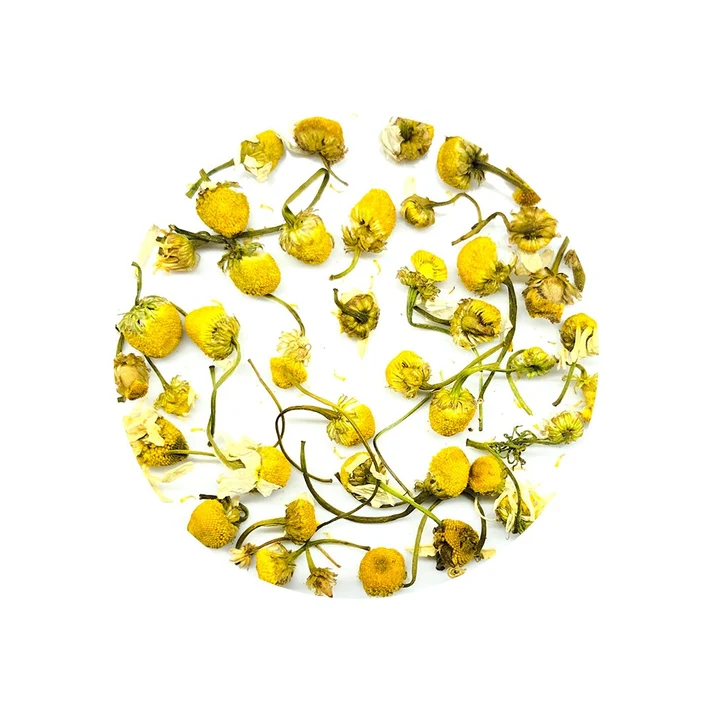

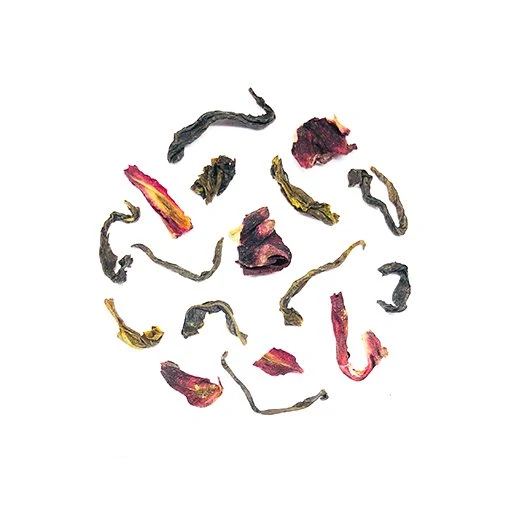
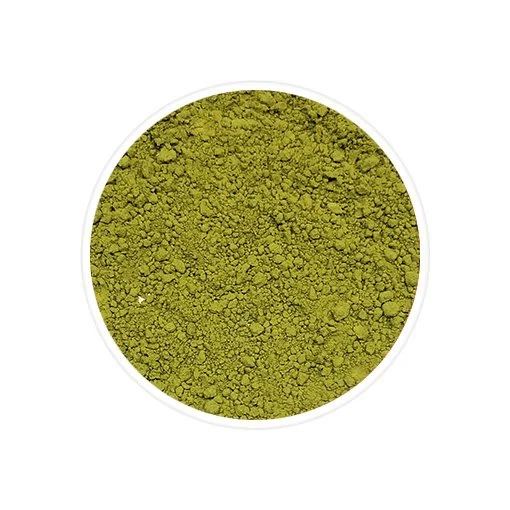

Chamomile tea is a naturally caffeine-free herbal infusion known for its delicate floral aroma and mild, soothing taste. Made from dried chamomile flowers, it is a popular choice for people who enjoy a warm, gentle drink as part of their daily routine. Unlike green or black tea, chamomile does not come from the traditional tea plant.
Whether you are exploring herbal tea for the first time or looking for a new evening ritual, understanding chamomile tea’s flavour, preparation and caffeine content can help you decide if it belongs in your cup.
Key takeaways
- Naturally caffeine-free: Pure chamomile tea contains no caffeine.
- Delicate flavour: Expect floral notes, a mild sweetness and a soft, herbal finish.
- Simple to prepare: Hot water and a few minutes of steeping are usually all you need.
- Easy to personalise: Adjust steeping time and strength to suit your taste.
- Made for everyday moments: Enjoy it during a quiet afternoon, after dinner or as part of an evening wind-down routine.
1. What is chamomile tea?
Chamomile tea is an herbal infusion made by steeping dried chamomile flowers in hot water. Although it is commonly called tea, it is technically a tisane, which is the term for a drink prepared from herbs, flowers, spices or other plant ingredients rather than leaves from the tea plant.
Two commonly used types of chamomile are German chamomile and Roman chamomile. They belong to the same broader plant family but differ in their botanical characteristics and flavour profiles.
The flowers release their aroma and flavour as they steep, creating a pale golden infusion. Think of it as making a simple floral infusion: the hot water draws out the character of the dried flowers, much like it releases flavour from fresh herbs when preparing a meal.
Chamomile can be enjoyed on its own or blended with other ingredients. If you prefer a simple cup, pure chamomile is a good place to start because its flavour is easy to appreciate without competing notes.
2. What does chamomile tea taste like?
Chamomile tea has a light, floral flavour that is often described as mildly sweet, herbal and slightly apple-like. Its aroma is gentle rather than overpowering, making it a good option for people who prefer a softer-tasting drink.
The exact flavour depends on the chamomile variety, the quality of the flowers, the quantity used and how long the tea is steeped.
Chamomile tea flavour profile
| Flavour characteristic | What to expect |
|---|---|
| Aroma | Soft, floral and lightly herbal |
| First taste | Mild and delicate |
| Main notes | Floral, herbal and sometimes apple-like |
| Sweetness | Naturally mild, without added sugar |
| Finish | Light and gentle, with possible herbal notes |
Chamomile does not need much added to make it enjoyable. If you find it too delicate, a little lemon can add brightness, while a small amount of honey can bring out its naturally soft character.
Imagine the difference between a strongly roasted coffee and a lightly scented flower garden. Chamomile sits closer to the second experience: subtle, aromatic and best appreciated when you give it a moment.
How to make chamomile tea taste better
Try these simple adjustments:
- Use fresh, good-quality chamomile stored away from heat, moisture and strong odours.
- Cover your cup while steeping to help retain its delicate aroma.
- Start with the recommended brewing time and taste before steeping longer.
- Add lemon or honey if you prefer a brighter or sweeter cup.
- Avoid over-steeping if the infusion begins to taste too strong or overly herbal.
The goal is balance, not intensity. A well-prepared cup should let the floral character come through without becoming overpowering.
3. Does chamomile tea have caffeine?
Pure chamomile tea is naturally caffeine-free because chamomile flowers do not contain caffeine in the way tea leaves and coffee beans do.
This makes chamomile a useful option for people who want a warm beverage without adding caffeine to their day. It is especially appealing to those who prefer to avoid caffeinated drinks in the evening.
However, check the ingredient list when buying a chamomile blend. Some products combine chamomile with green tea, black tea, or other caffeinated ingredients, which means the finished drink may contain caffeine.
Chamomile tea vs green tea
| Feature | Pure chamomile tea | Green tea |
|---|---|---|
| Main ingredient | Chamomile flowers | Leaves from the tea plant |
| Caffeine | Naturally caffeine-free | Naturally contains caffeine |
| Flavour | Floral, mild and herbal | Often grassy, vegetal or lightly sweet |
| Colour | Usually pale golden | Often pale yellow to greenish-gold |
| Common drinking occasions | Afternoon or evening | Morning or daytime |
| Preparation | Steep flowers in hot water | Steep tea leaves in hot water |
Neither drink has to replace the other. You might enjoy green tea when you want a caffeinated beverage and chamomile when you prefer something without caffeine.
For example, someone who enjoys a morning cup of green tea could switch to pure chamomile after dinner. It is a simple way to vary a daily tea ritual according to the time of day.
4. Chamomile tea benefits and everyday uses
Chamomile tea is often associated with relaxation because of its mild flavour, floral aroma and place in evening routines. Many people enjoy the process of preparing a warm cup as a way to pause after a busy day.
It is important, however, to distinguish between enjoying a tea as part of a routine and expecting it to produce a specific health outcome. Chamomile tea should not be presented as a treatment for insomnia, anxiety or another medical condition.
Its appeal can be much simpler: it is caffeine-free, easy to prepare and offers a gentle flavour that suits a quiet moment.
When can you enjoy chamomile tea?
In the afternoon: Take a short break from work, reading or screen time. A warm cup can mark the transition between tasks.
After dinner: Enjoy chamomile as an alternative to a caffeinated drink or a sweeter beverage.
During an evening routine: Pair a cup with reading, journalling or preparing for the next day. The ritual itself can help create a consistent transition into a quieter part of your evening.
When you want a caffeine-free option: Pure chamomile offers a floral alternative to coffee, green tea and black tea.
Think of the cup as a small pause rather than a solution to every busy-day feeling. The preparation gives you a few minutes to slow down, whether you are enjoying it alone or sharing it with someone.
Is chamomile tea suitable for everyone?
Chamomile is generally consumed as a beverage, but it may not suit everyone. People with allergies to chamomile or related plants, including ragweed, should use caution. Chamomile may also interact with certain medicines.
If you are pregnant, breastfeeding, taking medication or have a relevant allergy, seek advice from a qualified healthcare professional if you are unsure whether chamomile is suitable for you.
5. How to brew chamomile tea for the best flavour
Brewing chamomile tea is straightforward. You do not need special equipment, and you can adjust the strength to match your taste.
A simple chamomile tea brewing guide
| Step | What to do |
|---|---|
| 1. Measure | Use the amount of chamomile recommended on the package. |
| 2. Heat water | Bring fresh water to a boil, unless your product instructions specify otherwise. |
| 3. Add chamomile | Place the dried flowers or tea bag in your cup or infuser. |
| 4. Steep | Follow the package instructions; around 5 minutes is a useful starting point for many chamomile infusions. |
| 5. Taste | Remove the flowers or tea bag and adjust the next brew if you prefer a stronger flavour. |
Three tips for a better cup
Keep it covered. Covering the cup while the flowers steep helps preserve the aroma.
Adjust gradually. If your chamomile tastes too weak, try a little more tea or a slightly longer steep next time instead of making several changes at once.
Store it carefully. Keep dried chamomile in a sealed container in a cool, dry place away from direct sunlight and strong-smelling ingredients.
For an iced version, brew the infusion to your preferred strength, let it cool safely and serve over ice. A slice of lemon can add a fresh note without overpowering the flowers.
As with cooking, small adjustments matter. A consistent method helps you discover the flavour you enjoy most.
6. How to choose quality chamomile tea
A good chamomile tea should offer a pleasant floral aroma and a flavour that feels balanced rather than stale or overly harsh. Since chamomile is the main ingredient in a pure chamomile infusion, the condition and storage of the flowers matter.
When choosing a product, look for:
- A clear ingredient list: Pure chamomile should list chamomile as its ingredient. Blends should identify their other ingredients.
- Fresh aroma: The dried flowers should have a recognisable, pleasant herbal scent.
- Suitable packaging: Packaging should protect the product from moisture, light and strong odours.
- Clear brewing directions: Instructions help you prepare a consistent cup.
- Transparent product information: Check the net quantity, ingredient details and any relevant allergen information.
If you are shopping online in Canada, review the product description and label information before ordering. Do not assume that a product is organic, pesticide-free or certified unless the seller clearly verifies the claim.
Chamomile is a simple ingredient, but clarity still matters. A good product description should help you understand what is in the cup before you buy it.
Conclusion: Make chamomile tea part of your daily ritual
Chamomile tea offers a delicate floral flavour, a naturally caffeine-free infusion and a simple way to create a little space in your day. Its mild taste makes it easy to enjoy on its own, while a few thoughtful brewing adjustments can help you find the strength and aroma you prefer.
Whether you drink it after dinner, during an afternoon pause or as part of your evening routine, chamomile can be an uncomplicated addition to your tea shelf.
At Santuals, we believe that everyday self-care begins with small, intentional moments. Discover the tea that suits yours, prepare it with care and give yourself time to enjoy the cup.
Explore the Santuals tea collection and find your next tea ritual.
Frequently asked questions
1. Is chamomile tea naturally caffeine-free?
Yes. Pure chamomile tea is naturally caffeine-free because it is made from chamomile flowers rather than caffeinated tea leaves. If you are avoiding caffeine, check the full ingredient list before buying a blend, as some products combine chamomile with green tea, black tea or other ingredients that contain caffeine.
2. What does chamomile tea taste like?
Chamomile tea has a delicate floral and herbal flavour, often with mild sweetness and an apple-like note. Its taste can vary with the type and quality of chamomile and the brewing method. If you prefer a brighter flavour, try adding a little lemon; honey can provide extra sweetness if desired.
3. Can I drink chamomile tea every day?
Many people enjoy chamomile tea regularly as a beverage. Whether daily consumption is appropriate for you depends on your circumstances, allergies and any medicines you take. If you are pregnant, breastfeeding, have a known plant allergy or use medication that may interact with chamomile, ask a qualified healthcare professional for individual guidance.
4. Is chamomile tea a type of green tea?
No. Chamomile tea is an herbal infusion made from dried chamomile flowers. Green tea is made from the leaves of the tea plant, Camellia sinensis, and naturally contains caffeine. The two drinks also differ in flavour: chamomile is usually floral and herbal, while green tea often has grassy or vegetal notes.
5. How long should chamomile tea steep?
Around five minutes is a useful starting point for many chamomile infusions, although the ideal time depends on the product and your taste. Follow the package directions first. If you prefer a stronger cup, adjust the steeping time gradually and taste the tea before making further changes.
6. Can I drink chamomile tea before bed?
Pure chamomile tea is caffeine-free, so it can be an option for an evening drink when you want to avoid caffeine. Some people include it in a quiet bedtime routine, although it should not be treated as a guaranteed sleep aid. If sleep difficulties persist, consider seeking advice from a qualified healthcare professional.