




Key takeaways
- Look beyond leaf size. Whole leaves can be appealing, but some excellent teas are rolled, broken or shaped as part of their processing.
- Pay attention to aroma. A fresh, characteristic scent can help you understand a tea’s flavour profile before brewing.
- Check the details. Ingredient lists, origin information, freshness details and brewing instructions help you make an informed choice.
- Protect freshness at home. Heat, moisture, air, light and strong odours can affect tea over time.
- Choose tea you enjoy. Price, packaging and appearance are useful considerations, but none guarantees that a tea will suit your taste.
What is high-quality loose leaf tea?
High-quality loose leaf tea is tea that has been carefully processed, stored and presented, with a flavour and aroma that suit its intended style. Quality can be influenced by the tea variety, growing conditions, harvesting, processing, storage and freshness.
Loose leaf tea refers to tea sold as leaves or pieces rather than portioned into individual tea bags. It can include green, black, white and oolong tea, as well as herbal infusions made from flowers, leaves, roots and other plant ingredients.
However, loose leaf does not automatically mean premium. A beautifully packaged tea may not be fresh, while a less elaborate product may deliver an excellent cup. The key is to assess several details together rather than relying on one sign.
Think of buying loose leaf tea like choosing fresh ingredients for cooking. Appearance matters, but aroma, handling, storage and the final taste tell you much more about what you are bringing home.
1. Examine the tea leaves
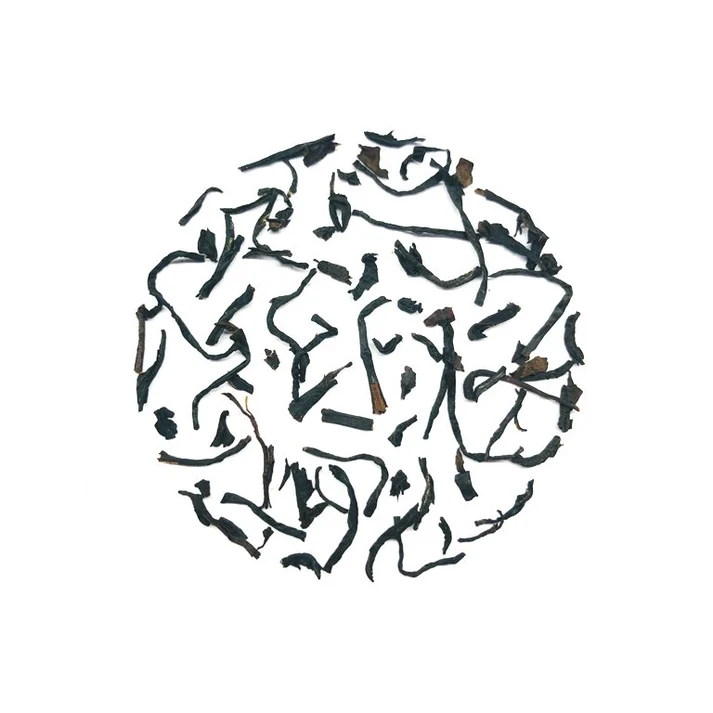
The appearance of loose leaf tea can offer useful clues about its style and processing. Start by looking at the leaves, their shape and the overall consistency of the blend.
Look for a consistent appearance
Many loose leaf teas have a characteristic shape. Some have long, twisted leaves, while others are tightly rolled into small pellets or shaped into flat pieces. These differences are often intentional and reflect the way the tea is made.
Look for leaves that appear appropriate for the product description. If you are buying a tea described as whole leaf, for example, you would generally expect to see relatively intact leaves rather than a container dominated by fine dust.
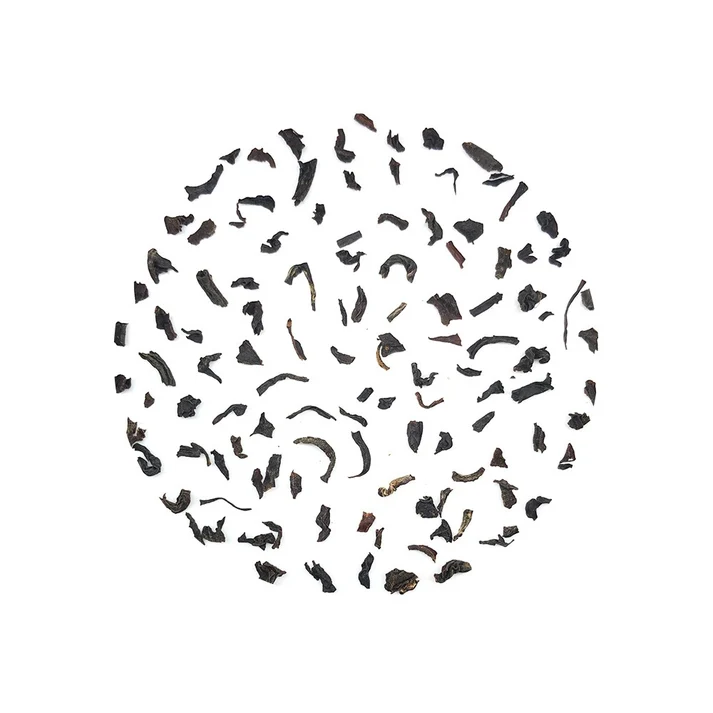
That does not mean broken leaves are necessarily poor quality. Some teas are deliberately processed into smaller pieces, and certain styles are valued for the way they brew.
Check for excessive dust or unwanted material
A little broken leaf material can be normal, especially after transport and handling. However, a product containing an unexpectedly large amount of fine dust may brew differently from one with larger pieces.
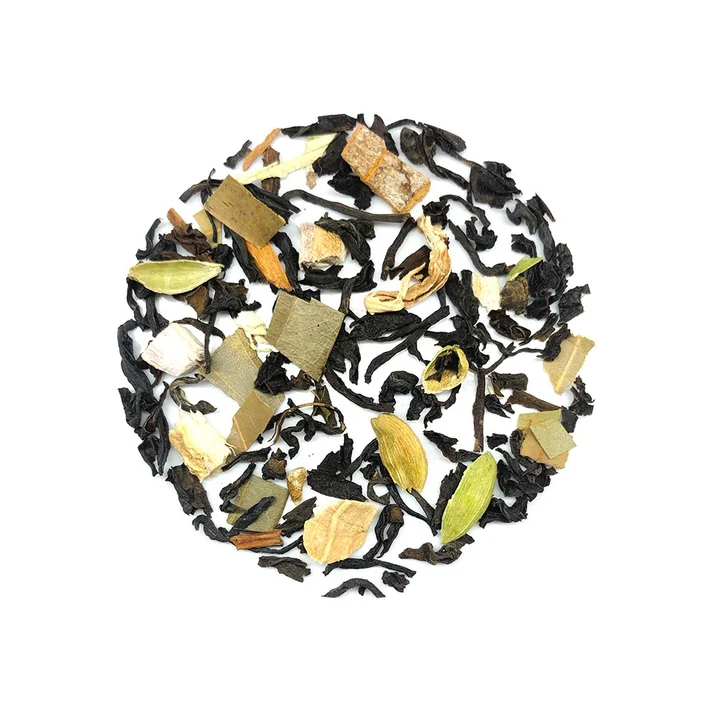
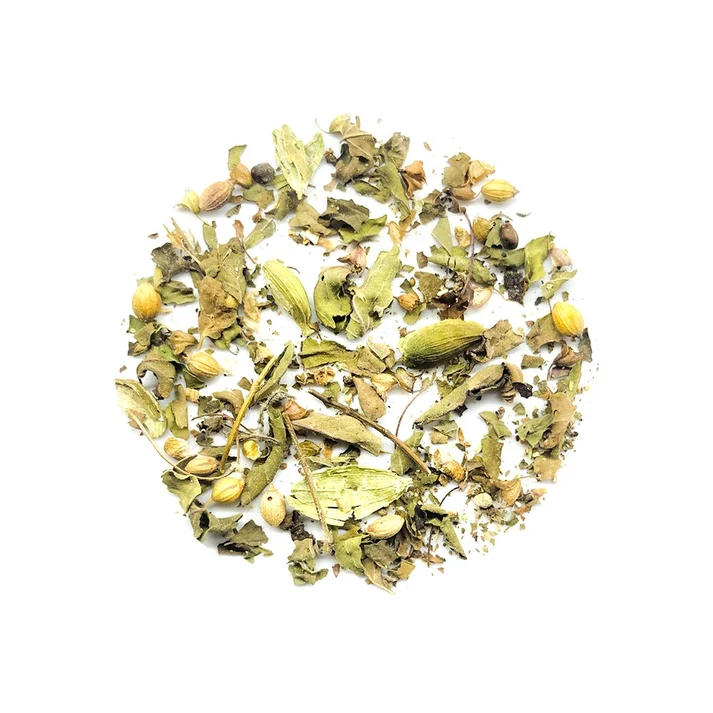
Also look for obvious foreign material that does not belong in the blend. For flavoured or botanical teas, remember that flowers, fruit pieces and spices may be intentional ingredients.
What to remember: Leaf appearance should make sense for the tea you are buying. There is no universal visual test that can establish quality on its own.
2. Use aroma as a quality clue
Aroma is one of the most useful ways to explore loose leaf tea. Before brewing, take a moment to notice the scent of the dry leaves if the packaging allows you to do so.
Different tea styles have different natural aromas. Green tea may smell fresh, grassy or vegetal. Black tea can have malty, woody or fruity notes, while some oolong teas offer floral, toasted or creamy aromas.
Aroma can help you decide whether a tea’s character appeals to you. It can also alert you to possible storage problems.
What should you look for?
- A characteristic scent: The aroma should broadly fit the tea type or the flavour description.
- A pleasant, recognisable profile: Freshness can be easier to assess when the tea has a clear aroma rather than seeming unusually flat.
- No obvious musty or damp smell: These may indicate a storage concern and are reasons to avoid using the product until its condition has been clarified.
Not every high-quality tea has a strong fragrance. Some delicate teas naturally have subtle aromas, and processing methods can influence scent. The goal is to look for a profile that is appropriate to the style, not simply the strongest smell.
For example, a delicate white tea may be understated, while a roasted oolong may have a more pronounced toasted aroma. Both can be appealing when their characteristics match the tea.
3. Check freshness, origin and ingredients
Freshness can have a noticeable effect on the taste of tea. Even well-made leaves can lose some of their aroma and character if they are stored poorly or exposed to air, heat, moisture and light for extended periods.
When shopping online, you may not be able to inspect the leaves directly. In that case, the product description and packaging become especially important.
Look for clear product information
Use this checklist when comparing loose leaf teas.
| What to check | Why it matters |
|---|---|
| Tea type | Helps you understand the expected flavour and appearance |
| Ingredient list | Shows whether the product is pure tea or a blend |
| Origin details | Provides context about where the tea was grown or produced |
| Harvest or packing information | May help you assess freshness when dates are available |
| Brewing instructions | Gives you a starting point for preparing the tea properly |
| Storage guidance | Helps preserve quality after opening |
| Pack size | Lets you choose an amount you can use while the tea remains fresh |
Does origin determine quality?
Origin can help explain a tea’s character, but a country or region alone does not guarantee a better product. Cultivar, growing conditions, harvesting, processing and storage all contribute to the final result.
Similarly, terms such as “premium,” “reserve” or “special selection” should not be treated as proof of quality without supporting product details.
Choose sellers who describe their teas clearly and avoid making assumptions about freshness or craftsmanship based on marketing language alone.
4. Understand whole leaf, broken leaf and tea grades
One common misconception is that the largest leaves always make the best tea. In reality, leaf size, shape and grade mean different things depending on the tea type and intended use.
Whole leaf tea
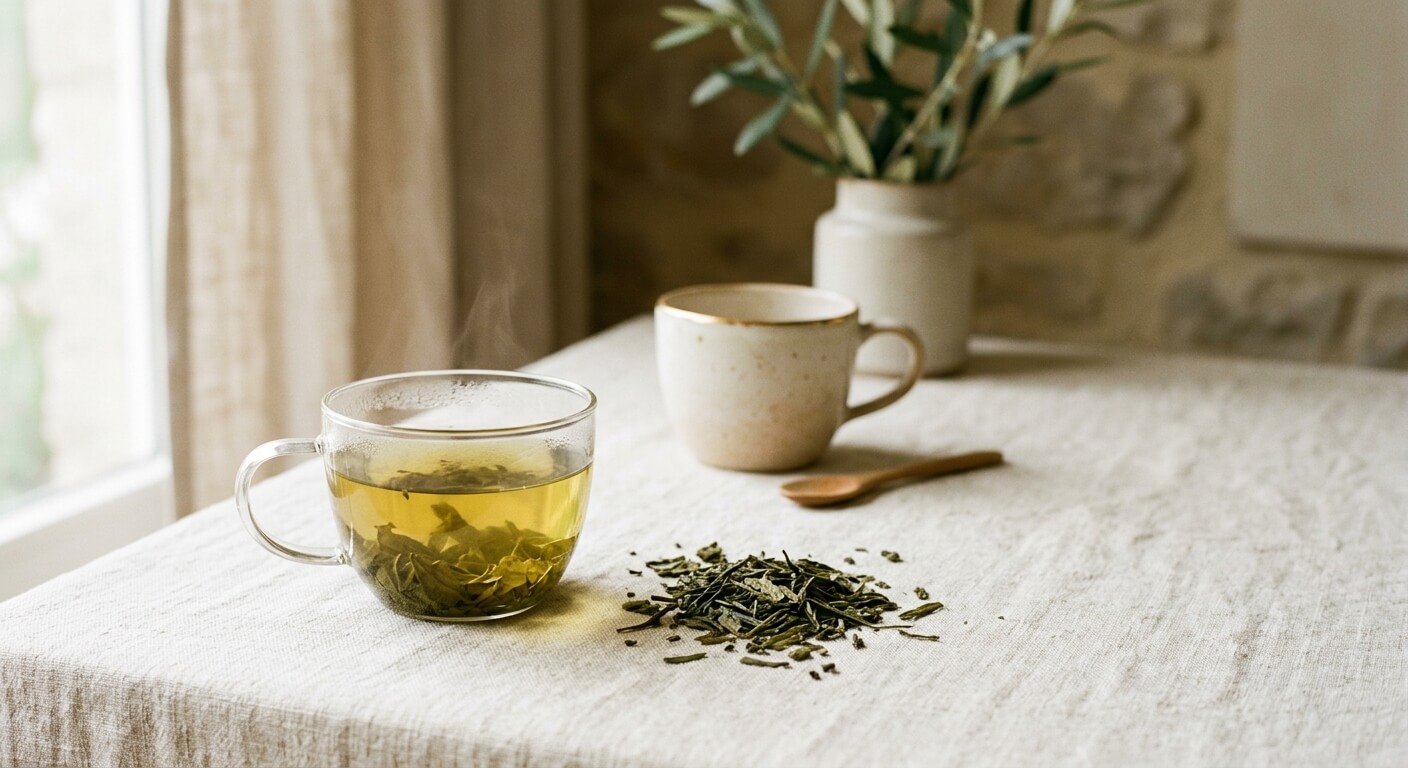
Whole leaf tea contains leaves that remain relatively intact. Some tea drinkers appreciate the appearance and brewing flexibility of these teas, particularly when the leaves unfurl in hot water.
Whole leaf tea can be a good choice if you enjoy observing the brewing process and experimenting with steeping times.
Broken leaf tea
Broken leaf tea contains smaller pieces of leaf. These pieces may release flavour more quickly than larger leaves, depending on the tea and brewing conditions.
Broken leaf tea is not automatically inferior. Its suitability depends on how it was produced and the flavour you want from your cup.
Tea grades
Tea grading systems vary by tea type and region. In some black tea grading systems, terms describe leaf size or form rather than providing a universal score of quality. A grade abbreviation should therefore be understood in context.
Rather than choosing solely by a grade name, look at the full product description and, where possible, tasting notes and brewing guidance.
| Feature | What it can tell you | What it cannot guarantee |
|---|---|---|
| Whole leaves | The leaves are relatively intact | Superior flavour in every case |
| Smaller leaf pieces | The tea may brew differently or more quickly | Poor quality |
| A detailed grade description | Information about a particular grading system | Universal quality across all teas |
| A high price | The product is positioned at a higher price point | Better taste or freshness |
The takeaway: Quality is not a leaf-size contest. The best choice is a tea that is well handled, clearly described and enjoyable to drink.
5. Choose the right tea for your taste
High-quality tea should also match your preferences. A tea can be expertly processed and still not be the right fit for you if its flavour profile is different from what you enjoy.
Before purchasing, think about the tastes you naturally gravitate towards.
If you enjoy fresh, lighter flavours
Consider green or white teas with descriptions such as fresh, grassy, delicate or subtly sweet. These profiles can be appealing if you prefer a lighter cup, though individual teas vary.
If you prefer fuller flavours
Some black teas offer malty, robust or fruity notes. Roasted oolong teas may provide toasted or nutty characteristics, depending on the style.
If you enjoy fragrant blends
Flavoured loose leaf teas can combine tea leaves with ingredients such as jasmine, citrus peel, herbs, spices or dried fruit. Check the ingredient list so you understand what contributes to the aroma and flavour.
A simple flavour-matching guide
| Your preference | Tea style or profile to explore |
|---|---|
| Fresh and grassy | Some green teas |
| Delicate and subtle | Some white teas |
| Malty and robust | Some black teas |
| Floral and aromatic | Some oolong or jasmine teas |
| Toasted and nutty | Some roasted oolong or green teas |
| Herbal and caffeine-free | Pure herbal infusions, depending on ingredients |
Treat these suggestions as a starting point rather than strict rules. Tasting notes can guide your decision, but your own experience is the best way to discover what you like.
6. Brew and store loose leaf tea correctly
Even high-quality loose leaf tea can taste disappointing if it is brewed or stored poorly. The good news is that a few simple habits can help you get more from the tea you buy.
Start with the right brewing method
Different tea types need different brewing conditions. Green tea often benefits from cooler water and a shorter steep, while many black teas are brewed with hotter water. Herbal infusions may have their own recommended steeping times.
Follow the package instructions first, then adjust the amount of tea, temperature and steeping time to suit your taste.
If your tea tastes bitter, try a shorter steep or cooler water where appropriate. If it tastes weak, make one change at a time so you can identify what improves the cup.
Store your tea carefully
Once opened, keep loose leaf tea in a clean, airtight container. Store it in a cool, dry place away from direct sunlight, moisture, strong odours and heat sources such as a stove or kettle.
Avoid leaving the package open on a kitchen counter. Tea can absorb surrounding odours, and damp conditions can damage its quality.
Buy an amount you can enjoy
If you are exploring a new tea style, a smaller pack can be a practical choice. It lets you learn whether you enjoy the flavour before purchasing a larger quantity.
Think of tea storage as protecting a delicate ingredient. Good leaves deserve the same care you would give to spices or other pantry items whose aromas matter to the final result.
Choose tea with confidence
Choosing high-quality loose leaf tea does not require expert knowledge. Start by examining the leaves in context, noticing the aroma, checking the ingredients and product details, and choosing a flavour profile that suits you.
Remember that whole leaves, high prices and premium-sounding labels do not guarantee a better cup. Clear product information, appropriate storage, careful brewing and your own taste preferences are more useful guides.
At Santuals, we believe the pleasure of tea begins before the first sip. From choosing a blend to watching it steep, each step can become a small, thoughtful part of your day.
Explore the Santuals tea collection to discover a brew that suits your preferences and makes your everyday tea ritual feel a little more intentional.
Explore our Loose Leaf Tea Collection
Frequently asked questions
1. How can you tell if loose leaf tea is high quality?
Start with the tea’s appearance, aroma, ingredient list, freshness information and product description. Look for characteristics that make sense for its particular style rather than relying on leaf size or colour alone. When possible, taste the tea and assess whether its flavour matches the description and your preferences.
2. Are whole leaves always better than broken leaves?
No. Whole leaves may appeal to people who enjoy a particular brewing style, but broken leaves can also produce an enjoyable cup. Smaller pieces may release flavour more quickly, depending on the tea. Quality depends on the tea type, processing, storage and intended use, not simply on leaf size.
3. Does expensive loose leaf tea mean better quality?
Not necessarily. Price can reflect many factors, including sourcing, processing, packaging and brand positioning, but it does not guarantee that you will prefer the flavour. Compare ingredients, product information, freshness details and tasting notes before buying. A moderately priced tea that suits your preferences may be the better choice.
4. How do I know whether loose leaf tea is fresh?
Freshness can be difficult to determine from appearance alone. Look for available harvest or packing information, appropriate packaging and clear storage guidance. A characteristic aroma can also be helpful when you can inspect the leaves. Avoid tea with an unexplained musty or damp smell, and follow the seller’s advice.
5. Is loose leaf tea healthier than tea bags?
The format alone does not determine a tea’s nutritional or health properties. Ingredients, tea type, preparation and serving size matter, and both loose leaf tea and tea bags can contain quality tea. Choose based on the product details, flavour, convenience and brewing preferences rather than assuming one format is automatically healthier.
6. How should I store high-quality loose leaf tea?
Keep tea in a clean, airtight container in a cool, dry place away from direct sunlight, heat, moisture and strong odours. Close the container after each use and avoid storing it beside a stove or kettle. Follow the producer’s specific guidance to help preserve the tea’s aroma and flavour.